


Chemistry uses melting point determination as a standard method which helps scientists identify substances and evaluate their purity. The technique achieves high accuracy when several factors are controlled and even minor mistakes will produce misleading results. Your melting point determination results require reliable confirmation, which demands knowledge about common errors and their avoidance methods.
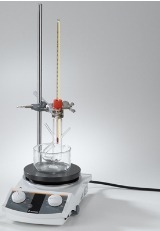
What is Melting Point Determination
Melting point determination is a laboratory technique used to identify and characterize substances based on the temperature at which they transition from a solid to a liquid. The process serves as a crucial method for determining compound purity, because pure substances exhibit their melting point with a precise and distinct value. The melting point is measured by gradually heating a sample and observing the temperature at which it begins to melt. This technique is commonly used in chemistry, pharmaceuticals, and materials science to identify compounds, confirm purity, and assess the quality of substances.

Common Errors in Melting Point Determination
This chart provides a clear view of how common errors can negatively affect melting point determination and the significance of minimizing these mistakes for accurate results.
| Error | Description | Impact on Results |
| Impure or Contaminated Sample | Impurities in the sample alter its crystalline structure, changing its melting point. | Melting point is lowered, or a broad melting range is observed, leading to inaccurate identification or purity assessment. |
| Incorrect Sample Size | Sample is either too small or improperly packed into the capillary tube. | Uneven heating, inaccurate melting point due to poor heat distribution, and unreliable results. |
| Improper Heating Rate | Heating the sample too quickly or too slowly can affect the temperature reading. | Fast heating may cause the sample to melt too quickly, resulting in an overestimated melting point. Slow heating may cause inaccurate readings or a delayed observation. |
| Faulty Calibration | Using uncalibrated or malfunctioning equipment, including thermometers. | Incorrect temperature readings, leading to inaccurate melting point determination. |
| Improper Sample Placement | Incorrect positioning of the sample in the heating chamber. | Uneven heating of the sample, leading to inaccurate melting point determination and possibly incomplete melting. |
| Failure to Observe Properly | Not monitoring the sample carefully during melting. | Missing the exact moment the sample begins and fully melts, which leads to imprecise melting point readings. |
| Environmental Factors | Room temperature, humidity, and air pressure variations affecting the sample. | External fluctuations can distort the heating process, leading to inconsistent or inaccurate melting points. |
| Capillary Tube Issues | Using cracked, scratched, or improperly packed capillary tubes. | Uneven heating and inaccurate melting point, potentially resulting in false conclusions about the sample’s identity or purity. |
| Using Outdated References | Relying on inappropriate or degraded reference materials for calibration. | Inaccurate comparison with reference standards, resulting in incorrect melting point determination. |
| Atmospheric Pressure | Changes in atmospheric pressure can affect the melting point of substances. | Lower or higher atmospheric pressure leads to deviations in the melting point from the expected value. |
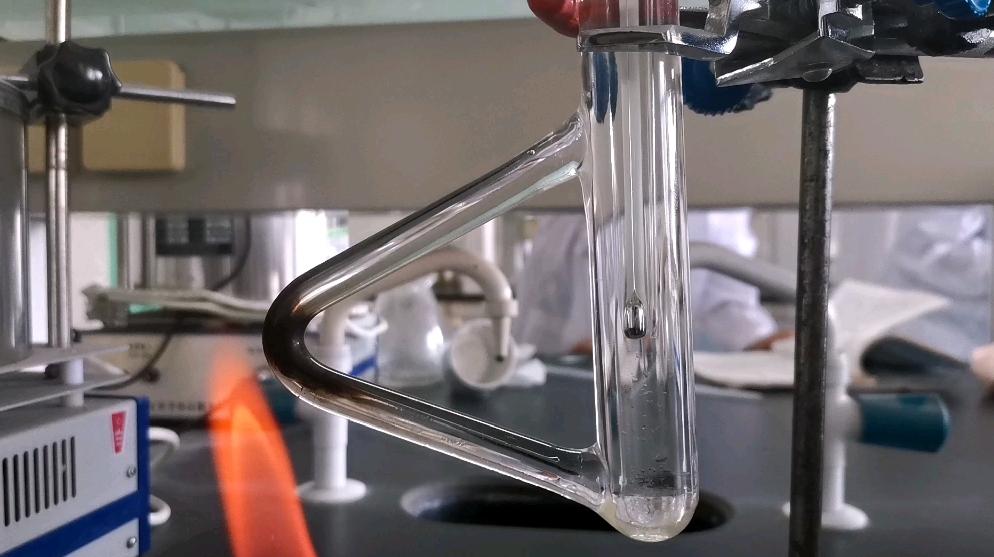
Effective Strategies for Avoiding Errors in Melting Point Determination
1. Ensuring Purity and Proper Preparation of Samples
High-quality samples and their proper preparation is the corner-stone of melting-point investigation; the necessity to proceed to high-purity samples is seen. Any doubts as to the purity of partiall chosen samples must be purified by recrystallization, sublimation, chromatography. Besides, various contamination circumstances during sample transportation are also possible. Therefore, the sample must be packed while observing cleanliness with all materials that may come into contact with it such as glassware, capillary tubes, etc. Impurities could lead to serious disorders of the melting-point test, and it is extremely important to remember ensuring cleanliness and hygiene of all kinds of melting point apparatus used during the analysis so that clear determination can be made on whether a value is a melt-point temperature or anything else.
2. Proper Sample Size and Packing
Improper size and packing of the sample within the capillary tube may represent a common error experienced in the process of determining melting points. Uneven heating will result if the sample is too small or poorly packed within the tube. To avoid these complications, it is most important to use the correct amount of sample; usually a little, enough to cover the bottom of the capillary tube. The packing of the sample should be hard enough to allow good heat conduction but not so much as to be a barrier for heat; it also needed to be packed evenly. The user can pack and spread the sample properly by tapping the tube gently with a finger.
3. Controlling the Heating Rating
The way you heat your sample is one of the most crucial factors concerned with the determination of a melting point. Maintaining a controlled heating rate is essential for accurate results. Generally, substances melt best at a rate of approximately 1–2°C per minute. This is crucial for actually reading the melting point properly within those temperatures which reach peak value. It goes from solids to gels, and the corresponding temperature is recorded as liquid is formed in the sample. Adjusting the speed of heating helps one in a major way towards determining the melting point with a better level of accuracy.
4. Calibrating Equipment Regularly
An inaccurate thermometer or breaking melting point apparatus disposes incorrect readings, giving inaccurate results. The importance of checking both the thermometer and melting point apparatus regularly for calibration cannot be overemphasized, as calibration ensures the accurate measurement of the instrument. Before even choosing to undertake the melting point determination, the equipment should be calibrated against a known standard having an established melting point, such as naphthalene or benzoic acid. This includes the testing for proper functionality. Apart from this, further importance should be placed on the regular maintenance of the equipment so that any wear or malfunction can be seen and speedily treated. It is because a well-calibrated measurement of the melting point shall be far beyond the grasp of any person in the absence of such clean maintenance.
1. Proper Placement of the Sample
A good sample placement within the melting point apparatus can greatly enhance consistent and accurate results. In accordance with the manufacturer’s instructions, one has to ensure that the capillary tube is properly situated in the apparatus for effective sample heating. The tube should be placed such that the illumination of the sample should be uniform and not shielded by the chamber walls or other components. On ensuring that the sample is in the correct position, heat is uniformly adequately distributed. Consequently, this leads to the generation of more precise and accurate results.
6. Closely Monitoring the Melting Process
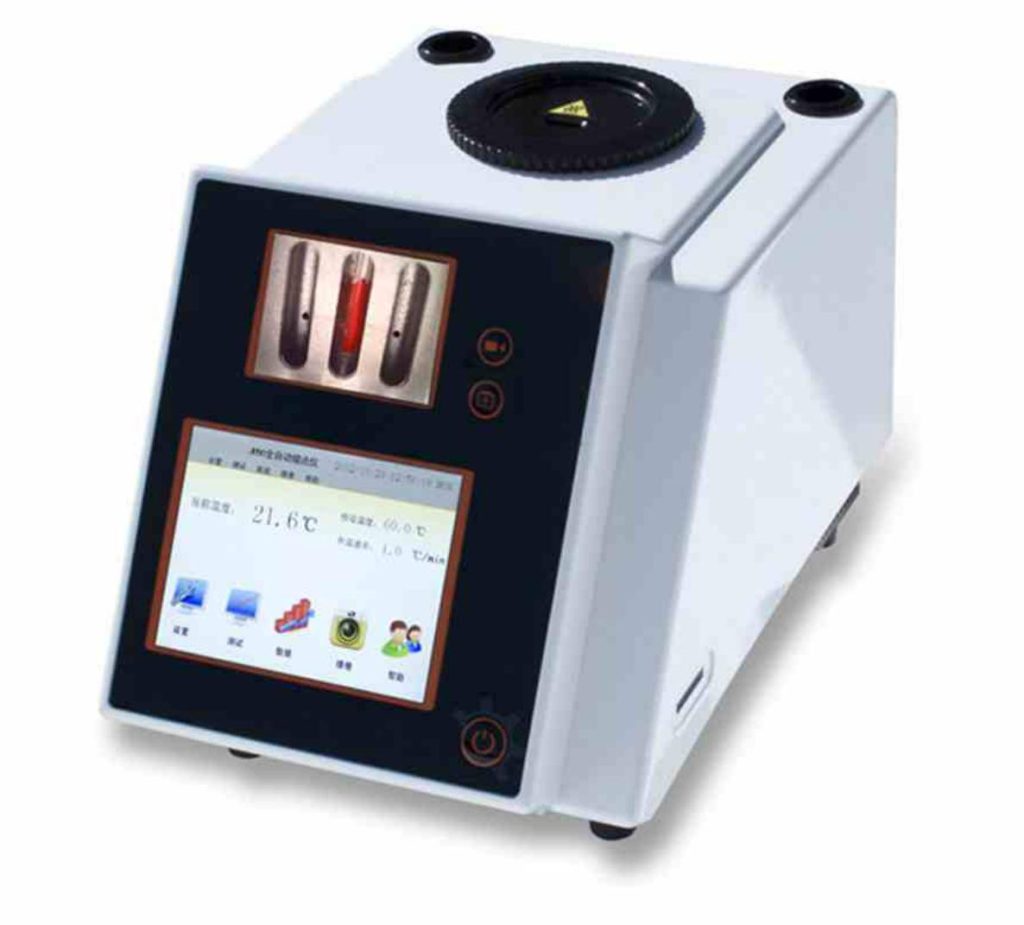
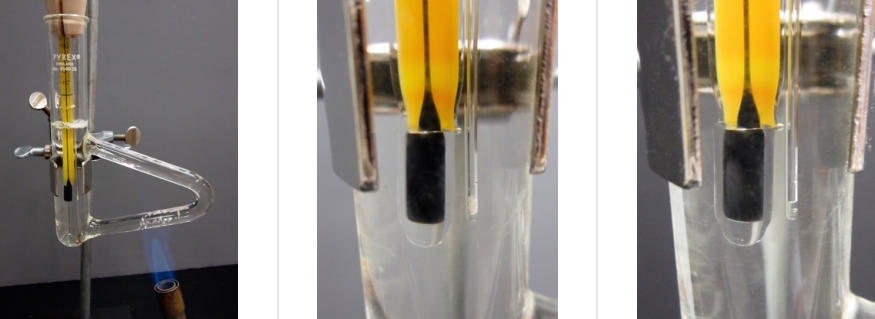
One of the most common errors committed during the measurement is the lack of attention to the melting process for the sample. Failure to observe the exact moment when the specific sample has begun to melt or changed from liquid to solid may lead to declines in the measured melting points. It is important to closely watch the sample through the process, therefore, to see the onset as well as the end of the melting operation.
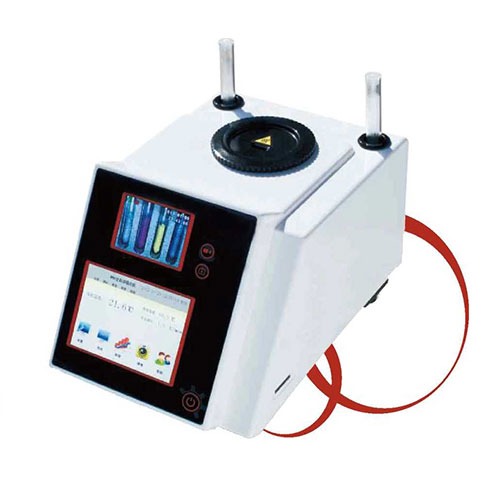
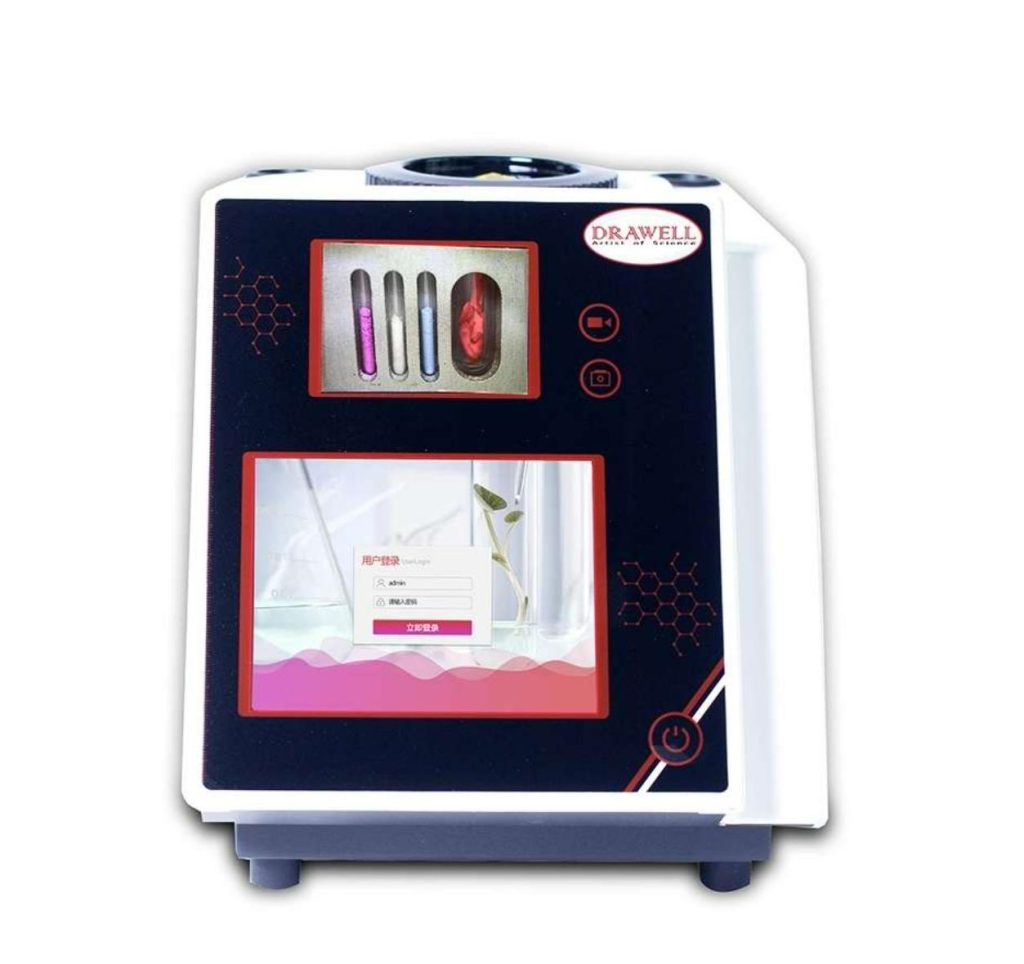
Some of the modern melting point meters equipped with the visual-observation feature will allow users to see the sample while it is being melted. However, even without this technology, it is advisable for the user to be vigilant and visually observe the melting and solidification of the sample. Duly noting the temperature where melting begins, and then the ending temperature, will provide a reliable melting-point range, therefore ensuring the accuracy of the overall results.
7. Controlling Environmental Factors
Changes in environmental factors may vary the heating rate and affect melting points that may be observed. For example, a fluctuation in atmospheric pressure may cause a change in the melting properties of a substance, especially those with low melting points.
To minimize the effect of environmental factors, it is recommended that the determination of melting points occur in a temperature-controlled laboratory. It is important to ensure that fluctuations in the temperature are minimized when performing the test adequately. Ideally, the test should be set at a relatively consistent atmospheric pressure to make sure the readings are consistent every time.
8. Handling Capillary Tubes Properly
Capillary tubes are indispensable in melting point determination. Always use an undamaged clean capillary tube. Check the tube for any crack before use and discard if damaged. It is also necessary to ensure that the sample fully occupies the inside portion of the tube to avoid air gaps that could hinder the heat distribution.
Summary
Melting point determination is a simple and dependable method when performed properly, although there are some mistakes that can lead to confusion. However, proper precautions has to be taken, for instance, the arrangement of pure specimens, proper heating rates, calibration of equipment and monitoring of environmental conditions to ensure more accurate and reliable results in melting point determination. Understanding and addressing these potential errors will not only improve the precision of melting point measurements but will also provide to you more dependable interpretation of data regarding identification, purity assessment and all other chemical analyses.
Related Products Recommendation
Get Quote Here!
Latest Posts

What Next?
For more information, or to arrange an equipment demonstration, please visit our dedicated Product Homepage or contact one of our Product Managers.


