


Laboratory balance is the most basic yet most critical instrument in scientific research, pharmaceutical, food, chemical and other laboratories. In your experimental research, have you ever been frustrated by inconsistent readings, or wasted valuable time on endless recalibration? As a professional laboratory balance supplier, we’ve seen these challenges firsthand. That’s why we’re here to help you navigate the complex process of purchasing a lab balance and avoid the common pitfalls that can cost you time, money, and accuracy.

Pitfall 1: The Technical Traps—It’s Not Just About Readability
Many buyers focus solely on the most visible specification: readability (e.g., 0.1 mg or 0.00001 g). While this number tells you the smallest increment the balance can display, it doesn’t guarantee accuracy or stability.
Supplier Advices: A balance’s true performance is defined by its repeatability—the ability to produce the same result for the same sample under the same conditions. Imagine you’re weighing a 100 mg sample five times. If a balance with a 0.1 mg readability gives you readings like 100.1 mg, 99.8 mg, 100.2 mg, 99.9 mg, and 100.3 mg, its repeatability is poor, making your data unreliable. In contrast, a high-quality balance will consistently deliver readings like 100.0 mg, 100.1 mg, and 99.9 mg, with a narrow deviation. At Drawell, our balances are engineered with superior electromagnetic force compensation (EMFC) sensors to ensure exceptional repeatability, giving you confidence in every measurement. Always check the full specifications, including linearity and repeatability, to make an informed decision.
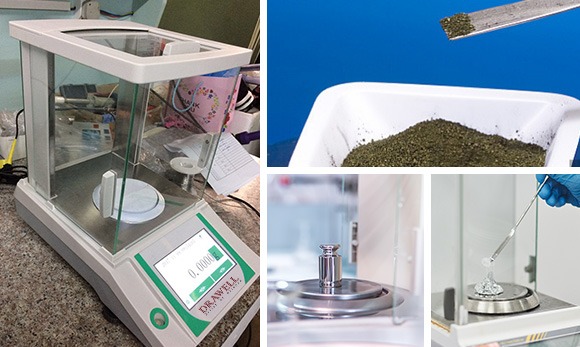
Pitfall 2: The Environmental Blinders—Ignoring Your Lab’s Reality
Your lab’s environment—temperature, humidity, air currents, and vibration—can all sabotage a balance’s performance. A seemingly good balance can give you unstable readings if these factors aren’t accounted for.
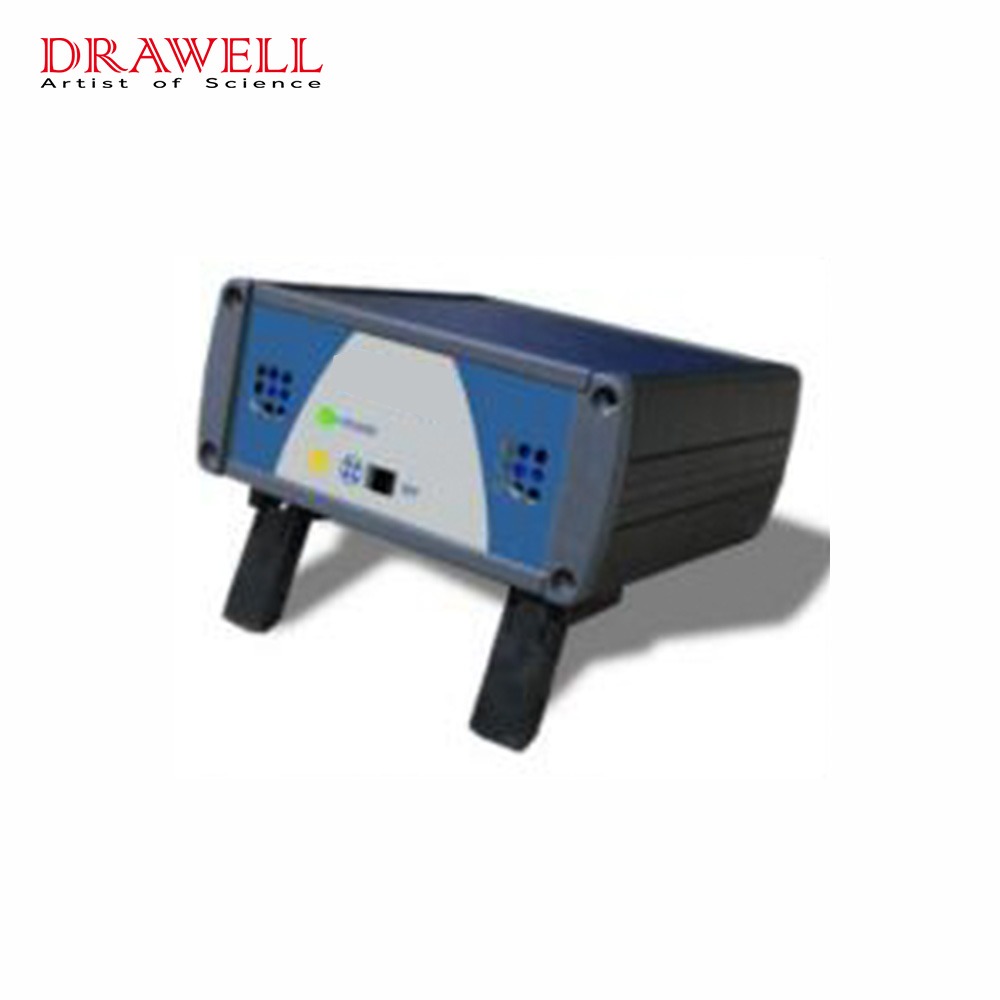
Supplier Advices: Don’t underestimate these external influences. For example, a passing forklift or even someone walking by can cause vibrations that disrupt micro-weighing. This is why our analytical balances are designed with integrated anti-vibration feet and robust chassis to absorb shock. For applications like weighing fine powders, static electricity can cause the sample to jump or cling to the weighing pan, leading to inaccurate results. Our balances are equipped with anti-static technology or provide options for an ionizer, specifically to neutralize static charges and ensure stable, reliable results, no matter your environment.
Pitfall 3: The Convenience Conundrum—Ease of Use and Service Matter
A balance might look good on paper, but if it’s difficult to use or maintain, it becomes a bottleneck.
Overlooking Calibration: Manual calibration is time-consuming and prone to human error. For instance, you might forget to recalibrate after a significant temperature change, leading to inaccurate data for an entire batch of samples. A key feature to look for is automatic internal calibration. Our top-tier analytical balances, such as the Drawell DW-FA series, perform self-calibration at the touch of a button or automatically at preset times, ensuring consistent accuracy with minimal effort and without the need for external weights.
Ignoring Post-Purchase Support: A lab balance is a long-term investment. Don’t let a great price lure you into a deal with poor after-sales service. When your balance needs service or calibration, waiting for weeks can halt your entire research project. A professional supplier like Drawell provides local technical support, reliable repair services, and expert calibration to keep your instrument in peak condition for years to come.
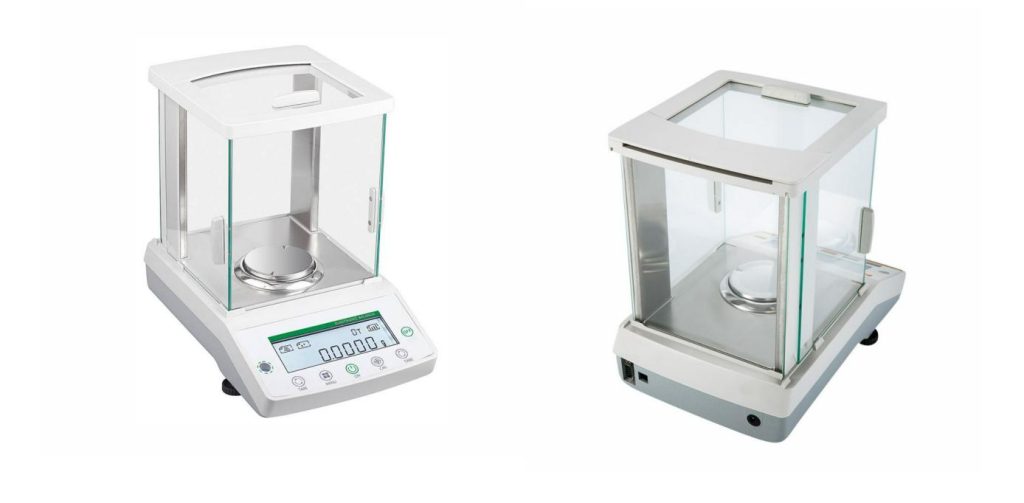
Pitfall 4: The Future-Proofing Fail—Buying a Tool, Not a Solution
The biggest mistake is viewing a balance as a standalone device. Today’s lab is connected and data-driven. A balance that can’t integrate with your workflow is a significant liability.
Supplier Advices: Think beyond the scale pan. Modern balances offer seamless data connectivity via USB or Ethernet. This allows for direct data transfer to your LIMS (Laboratory Information Management System) or a PC, eliminating the risk of human transcription errors. Imagine a scenario where you’re weighing hundreds of samples; with an integrated balance, the data is automatically logged and time-stamped, providing an unalterable audit trail. Furthermore, consider a modular design that allows for future upgrades. For example, some of our balances can be easily configured with a density determination kit to handle specialized material analysis or adapted for pipette calibration with a simple software upgrade, meeting your evolving research needs.
Make an Informed Choice for Confident Results – Consider Drawell
Choosing the right lab balance requires looking past the glossy marketing and focusing on what truly matters: a combination of technical excellence, user-friendly features, and reliable long-term support.
Don’t fall into the common traps. Instead, partner with a professional supplier who understands your needs and offers more than just a product—we offer a complete solution.
Ready to find the perfect balance for your lab? Contact our expert team today for a free consultation and a customized recommendation. Let us help you ensure your measurements are not just precise, but perfect.
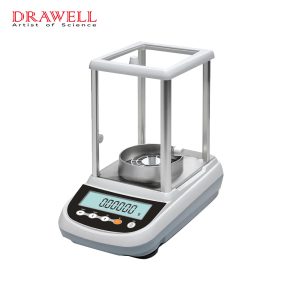
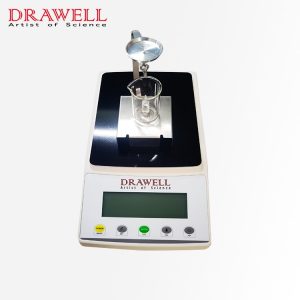
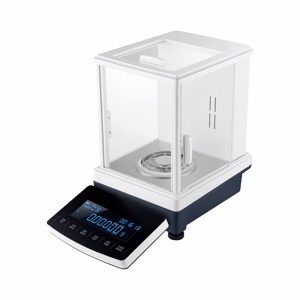
Here are Drawell balance series, if you have some interested types, feel free to contact us.
| Category | Typical Readability / Sensitivity | Typical Capacity Range | Key Use-Cases | Advantages | Things to Verify / “Pitfalls” |
| Density Balance | ~0.001 g / better depends on model | Low to medium capacity (e.g. few g to several hundred g) | Density determination of solids/liquids, material science, quality control | Specialized for density, may include built-in accessories or fixtures | Calibration for density, ease of sample handling, environmental stability |
| Analytical Balance (0.01 mg / 0.1 mg) | 0.00001 g (0.01 mg) or 0.0001 g (0.1 mg) | Typically small capacities (e.g. ≤ 200 g) | Analytical chemistry, trace metal analysis, reagent prep | Very high precision, good repeatability, tight tolerance | Draft shield, vibration isolation, repeatability under lab environment, regular calibration |
| Precision Balance (1 mg) | 0.001 g | capacities maybe from tens to few kilograms | General lab work, teaching labs, sample prep where ultra high precision not required | More robust, lower cost than ultra high precision models, easier maintenance | Sensitivity to vibration or air currents, zero/stability drift, ease of calibration |
| Electronic Balance-TD & YP (0.01 g / 0.1 g) | 0.01 g or 0.1 g | moderate capacities (hundreds of grams to few kilo) | Routine sample weighing, industrial / production lab checks, batching | Cost-effective, simpler to operate, likely more durable in less controlled environments | Linearity across full range, overload protection, display readability, unit options, data output interface |
| Large Capacity Balance | lower sensitivity (maybe 0.1 g or more) | high capacity (kilograms, tens of kg) | Bulk material weighing, large batches, industrial labs, incoming raw material inspection | Can handle large weights, robust platforms, possibly better for rugged use | Floor or bench mounting, platform size, safety overload, speed vs precision trade-off, power requirements |
Related Products Recommendation


Get Quote Here!
Latest Posts


What Next?
For more information, or to arrange an equipment demonstration, please visit our dedicated Product Homepage or contact one of our Product Managers.


