


Ultra-Low Temperature (ULT) Freezers are a kind of specialized refrigeration system built to store biological sample lots, pharmaceuticals, vaccines, reagents, and other things that can’t handle temperature swings at extremely low levels, usually sitting somewhere around -40°C to -86°C. In daily terms, these laboratory freezers matter a lot for scientific research, biotechnology, healthcare, pharmaceutical manufacturing, and industrial labs, where maintaining sample integrity is a must.
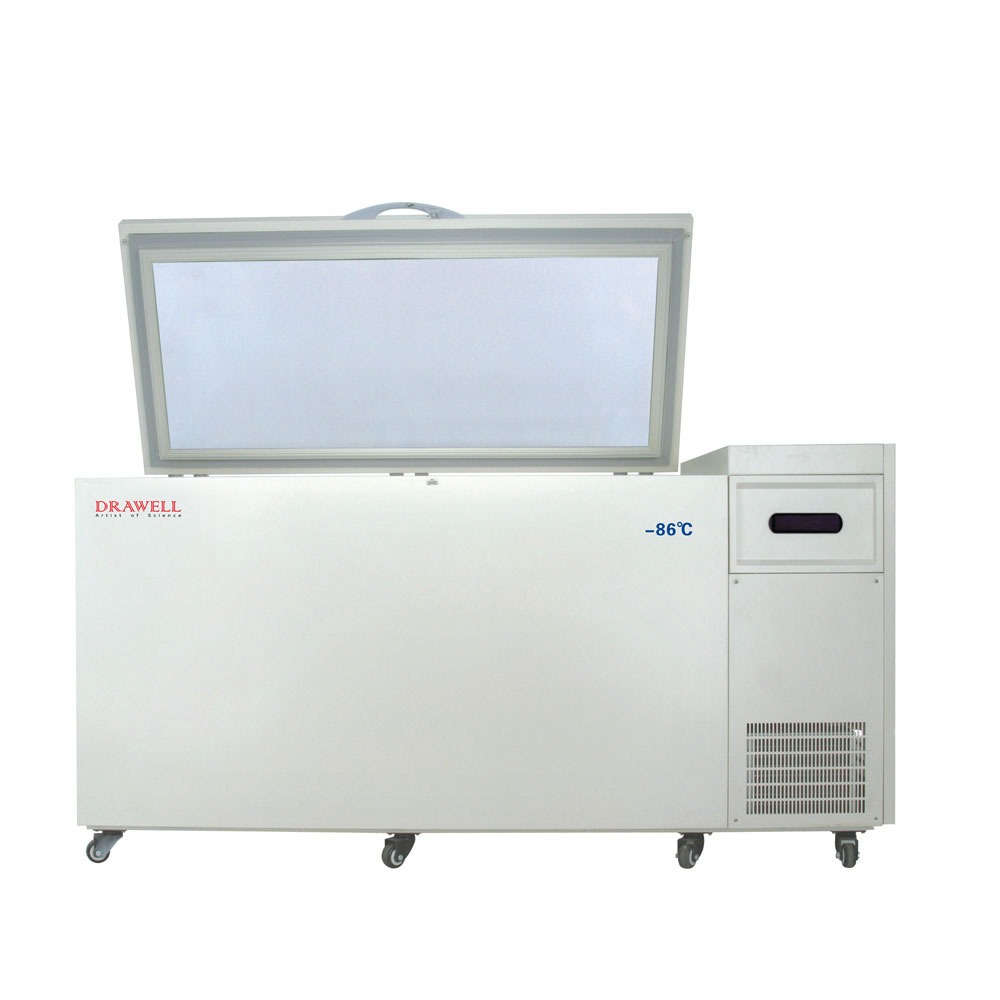
Understanding the Functions of Ultra-Low Temperature Freezers
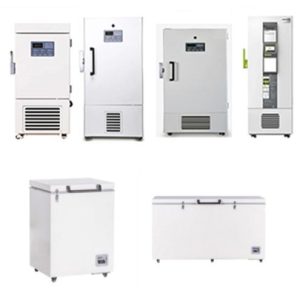
Ultra-Low Temperature freezers are basically lab-grade cold storage units made to hold steady temperatures well below what a standard laboratory freezer can do. With these advanced refrigeration systems, sensitive samples can stay preserved for a long time, because biological breakdown slows down, chemical reactions slow too , and microbial activity is kept to a minimum. You can find ULT freezers in lots of sizes and setups, like upright models or chest-style designs, so a lab can pick what matches day to day workflows.

How Ultra-Low Temperature Freezers Work
Ultra-low temperature freezers rely on fancy cascade refrigeration approaches, or sometimes on newer single-compressor technologies, to reach and then maintain those ultra-low temperatures.
In the classic cascade setup, two separate refrigeration circuits team up. One part first pulls heat out of the freezer compartment, then the other part pushes things even colder to reach ultra-low levels. Also, strong insulation plus tight door seals really matter, since they reduce heat creeping in from the outside, and that helps keep temperature stability on track.
A lot of modern ULT freezers include microprocessor-controlled controls that keep checking temperature conditions, adjust compressor operation in a smarter way, and show real time performance information.
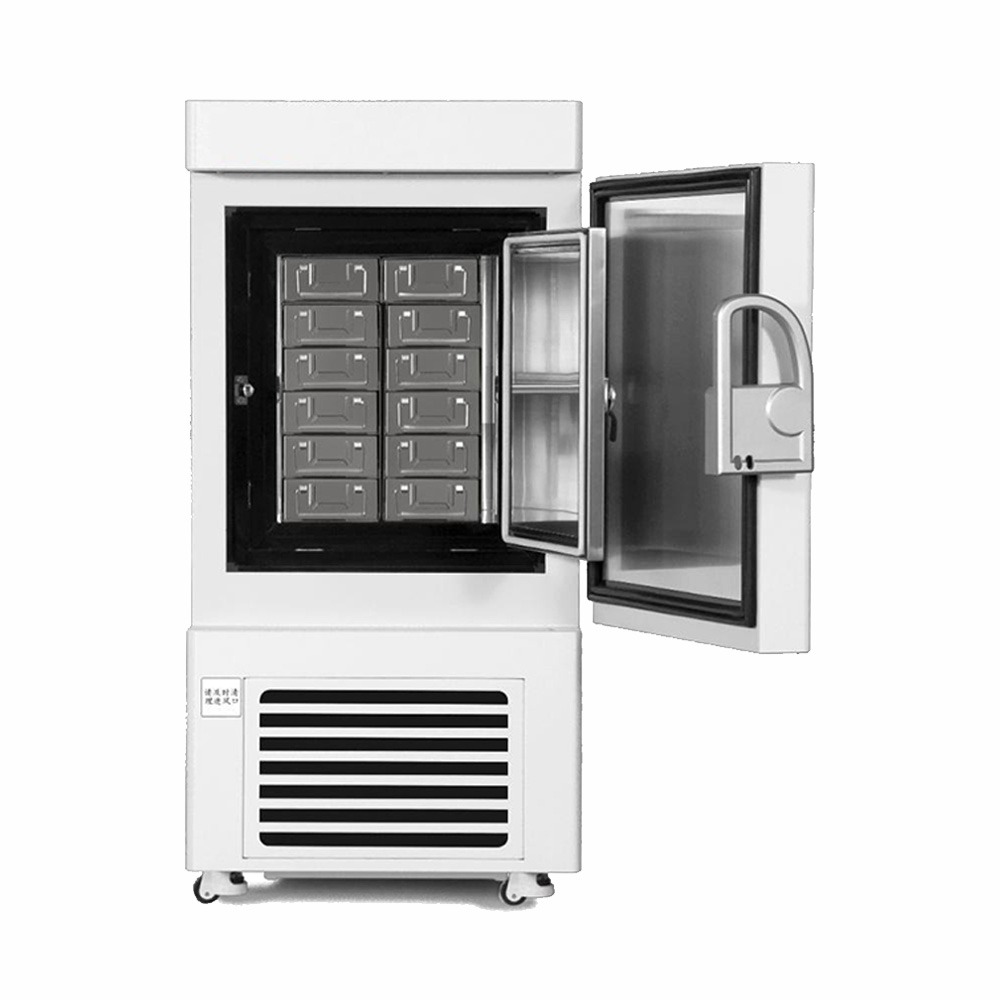
Key Features of Ultra-Low Temperature Freezers
1. Ultra-Low Temperature Capability
What really sets an Ultra-low temperature freezer apart is the capacity to hold extremely low temperatures, usually somewhere around -40°C to -86°C. That temperature level slows down biological and chemical processes quite a lot, which helps keep sample integrity more stable over time, especially for long term storage.
Most modern ULT freezers are built so they can keep temperature precision even when the surroundings shift, like room temp changes or other environmental factors. In the end, that means protection for valuable materials stays steady and reliable.
2. Excellent Temperature Uniformity
Temperature uniformity matters a lot for laboratory freezers, because uneven conditions can cause sample degradation. A good Ultra-low temperature freezer uses improved airflow systems, the kind that spreads cold air fairly evenly across the storage chamber.
When conditions stay consistent, it helps remove hot spots and those frustrating temperature swings that can hurt sample quality. This is especially relevant for holding delicate biological specimens and also pharmaceutical products.
3. Superior Temperature Stability
Past just keeping things consistent in temperature, ultra-low temperature freezers should also deliver real long-term stability. Advanced control systems keep watching the internal conditions and continuously fine-tune the operation to stay at the chosen temperature.
When the temperatures remain steady, there is less risk of sample damage from repeated warming, cooling cycles, and it also helps labs remain in line with storage standards.
4. Advanced Refrigeration Technology
Today’s ultra-low temperature freezers use more sophisticated refrigeration setups, these support better cooling performance while at the same time lowering energy use.
A lot of models use cascade refrigeration. Meanwhile, newer designs might use a more advanced single compressor approach. In general, these systems are meant to reach very low temperatures effectively and with dependability, and also to limit mechanical strain on the parts.
5. High-Efficiency Insulation
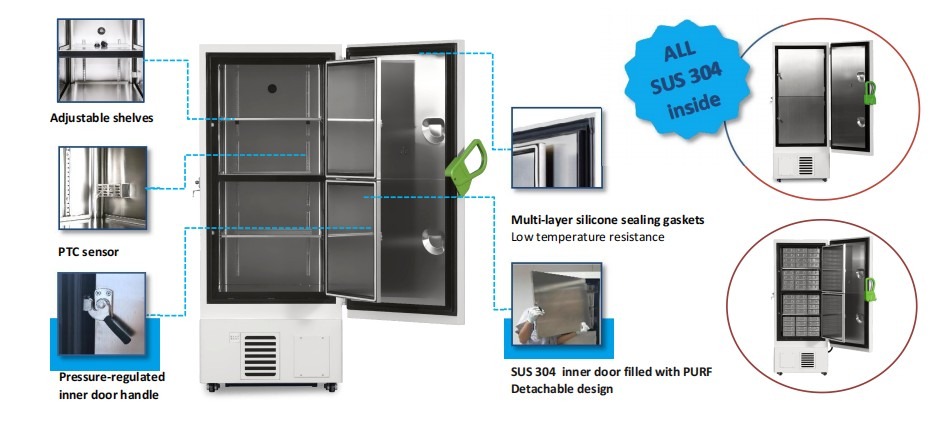
Effective insulation is essential to keep low temperatures stable and to cut down operating costs in a more reliable way. In many ULT freezers, vacuum insulation panels are used together with high density polyurethane foam, so the heat transfer path gets minimized, and it does matter for daily use.
When insulation is stronger, the temperature stays retained better during a power interruption, and the compressor does not need to work as hard. That, in turn, supports higher energy efficiency and helps the equipment last longer over time.
6. Digital Temperature Control Systems
Most modern ULT freezers come with microprocessor based control systems, which makes it possible to manage the temperature precisely. Digital displays show the real time temperature readings and let users adjust the set point quickly, without extra fuss.
A lot of these systems also add password protection and calibration routines. This supports accurate performance, and it also prevents unauthorized changes from being made.
7. Comprehensive Alarm Systems
For safeguarding valuable samples, ULT freezers are fitted with several alarm functions. These alert the user when abnormal operating conditions show up.
Common alarm features include:
- High temperature alarms
- Low temperature alarms
- Door open alarms
- Power failure alarms
- Sensor failure alarms
- Low battery alarms
These alerts allow lab staff to react quickly to possible problems, before the samples get compromised, even a little.
8. Remote Monitoring Capabilities
A lot of modern ULT freezers support remote monitoring via network connections, or cloud platforms. People can view temperature readings, get alarm messages, and check freezer performance using computers, tablets , or phones. With remote monitoring there is better supervision overall and the team can respond fast to emergencies, when the staff is not physically there.
9. Energy Efficient Operation
Since ULT freezers work continuously, energy use becomes a key factor. Manufacturers have added multiple upgrades to make it leaner, like variable speed compressors, improved insulating materials and smart regulation systems.
Energy-efficient models assist laboratories in lowering operating expenses, while still supporting sustainability objectives and meeting environmental compliance.
10. Fast Temperature Recovery
When doors are opened often, you can see temporary temperature rises inside the freezer. Higher performance ULT freezers come with rapid temperature recovery features that bring the chamber back to the set temperature quickly after access. This fast recovery helps reduce the time samples stay warmed and it shields stored materials from temperature swings.
11. Secure Storage Design
Sample security matters more and more in research, plus healthcare environments too. A lot of ULT freezers have lockable door systems, electronic access controls,and password protected settings that limit unauthorized entry. These protection measures help guard valuable research materials, clinical specimens, and regulated pharmaceutical products.
12. Data Logging and Record Keeping
Regulatory compliance frequently pushes for detailed temperature documentation. Lots of ULT freezers have integrated data logging, it automatically records temperature histories and operating conditions. The stored information can be downloaded for audits, for quality assurance programs, and for staying aligned with laboratory regulations plus industry expectations.
13. Backup Power and Emergency Protection
To protect critical samples during power interruptions, many ULT freezers include battery back up systems that keep alarms, displays, and monitoring functions running. Some sites also connect their freezers to emergency generators or carbon dioxide backup cooling systems, so low temperatures remain steady during longer outages.
14. User-Friendly Design
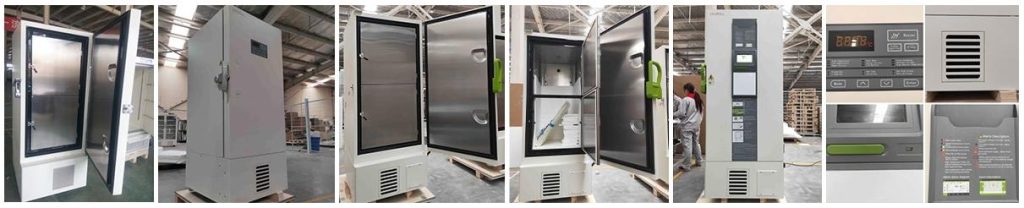
Manufacturers keep improving usability with ergonomic designs and intuitive interfaces, you know? Features like adjustable shelving , easy-open doors , touchscreen controls and neatly organized storage compartments make everyday work smoother and help with sample handling. These design upgrades let labs push more storage capacity in place while still making day-to-day operations easier and less demanding.
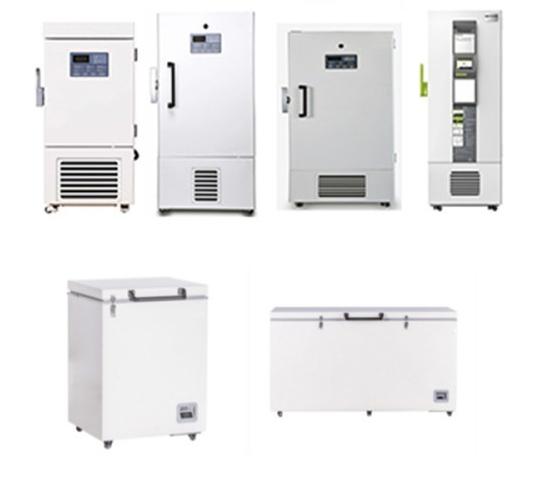
Applications of Ultra-Low Temperature Freezers
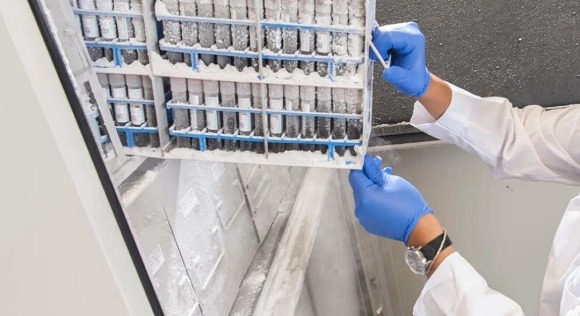
Ultra-low temperature freezers are widely used across healthcare, pharmaceutical, biotechnology, academic, forensic, agricultural, and industrial sectors.
| Application Area | Materials Stored | Purpose of Storage | Typical Temperature |
| Biomedical Research | DNA, RNA, proteins, tissues, cell cultures | Preserve biological samples for long-term research and analysis | -70°C to -86°C |
| Pharmaceutical Industry | Vaccines, biologics, drug compounds, clinical trial samples | Maintain product stability and efficacy | -60°C to -86°C |
| Hospitals and Healthcare Facilities | Blood plasma, stem cells, tissue samples, specialty medicines | Support patient treatment and medical procedures | -60°C to -86°C |
| Biotechnology Companies | Cell lines, microbial cultures, genetically modified organisms | Preserve research and production materials | -70°C to -86°C |
| Vaccine Storage Centers | mRNA vaccines and temperature-sensitive vaccines | Ensure vaccine potency and compliance with storage requirements | -70°C to -86°C |
| Academic and University Laboratories | Research specimens, environmental samples, biological collections | Long-term scientific study and educational research | -60°C to -86°C |
| Clinical Research Organizations (CROs) | Clinical trial samples, serum, plasma, biomarkers | Preserve sample integrity throughout studies | -70°C to -86°C |
| Biobanks | Human tissues, blood samples, DNA libraries, stem cells | Long-term archiving of biological specimens | -80°C to -86°C |
| Genomics and Proteomics Laboratories | Genetic material, proteins, enzymes | Prevent degradation of molecular samples | -70°C to -86°C |
| Forensic Laboratories | Biological evidence, tissue samples, DNA evidence | Preserve evidence for legal investigations | -70°C to -86°C |
| Agricultural Research | Plant seeds, genetic resources, crop samples | Protect genetic diversity and breeding materials | -40°C to -80°C |
| Environmental Science Laboratories | Water samples, soil samples, microorganisms | Preserve samples for environmental monitoring and analysis | -40°C to -80°C |
| Food and Beverage Research | Food cultures, enzymes, specialty ingredients | Support product development and quality testing | -40°C to -80°C |
| Veterinary Medicine | Animal tissues, vaccines, biological samples | Research, diagnostics, and treatment support | -60°C to -86°C |
| Industrial Research and Development | Specialty chemicals, reagents, testing materials | Maintain material stability for product development | -40°C to -80°C |
Factors to Consider for Choosing a Suitable Ultra-Low Temperature Freezer
Selecting the appropriate ULT freezer requires careful evaluation of several factors.
| Factor | Why It Important | What to Consider |
| Temperature Range | Different samples require different storage temperatures. | Ensure the freezer can consistently maintain the required temperature, typically between -40°C and -86°C. |
| Storage Capacity | Adequate space prevents overcrowding and supports future growth. | Select a capacity based on current sample volume and anticipated expansion. |
| Temperature Uniformity | Uniform cooling protects all stored samples equally. | Look for proven chamber-wide temperature consistency with minimal variation. |
| Temperature Stability | Fluctuations can damage sensitive biological materials. | Choose models with precise temperature control and rapid response systems. |
| Energy Efficiency | ULT freezers operate continuously and consume significant energy. | Consider ENERGY STAR®-rated models, variable-speed compressors, and advanced insulation. |
| Refrigeration Technology | Impacts performance, reliability, and operating costs. | Compare cascade refrigeration systems with newer single-compressor technologies. |
| Insulation Quality | Better insulation improves efficiency and temperature retention. | Look for vacuum insulation panels and high-density polyurethane insulation. |
| Temperature Recovery Time | Frequent door openings can increase internal temperatures. | Select units with fast pull-down and recovery capabilities. |
| Monitoring and Control System | Enables precise operation and sample protection. | Digital displays, touchscreen controls, and programmable settings are beneficial. |
| Alarm Systems | Early warning helps prevent sample loss. | Ensure availability of high-temperature, power failure, and door-open alarms. |
| Remote Monitoring | Allows real-time oversight from any location. | Consider cloud-based monitoring and smartphone notification capabilities. |
| Data Logging | Important for regulatory compliance and quality assurance. | Look for automatic temperature recording and downloadable reports. |
| Sample Security | Protects valuable or regulated materials. | Features such as door locks, password protection, and user access controls are desirable. |
| Backup Systems | Provides protection during power outages or equipment failures. | Consider battery backup, CO₂ backup cooling, or generator compatibility. |
| Noise Level | Important for laboratory working environments. | Choose low-noise models for improved workplace comfort. |
| Footprint and Installation Space | Laboratory space may be limited. | Verify dimensions, door clearance, and ventilation requirements. |
| Reliability and Brand Reputation | Reliable operation protects valuable samples. | Evaluate manufacturer reputation, customer reviews, and performance history. |
| Service and Technical Support | Fast support minimizes disruptions. | Ensure local service availability and prompt technical assistance. |
| Warranty Coverage | Provides protection against unexpected repair costs. | Compare compressor, parts, and labor warranty periods. |
| Regulatory Compliance | Required in many healthcare and research settings. | Verify compliance with relevant laboratory, pharmaceutical, and healthcare standards. |
| Total Cost of Ownership | Initial price is only part of the investment. | Evaluate purchase cost, energy consumption, maintenance expenses, and expected lifespan. |
Final Thoughts
Ultra-low temperature freezers are essential in many laboratories, health centers, and pharmaceutical operations. They help keep biological and chemical materials preserved, with reliable, stable, and secure ultra-low temperature storage. Because of that, the critical samples can stay safe even when conditions need to be very strict. At the same time, ongoing innovations focused on energy efficiency, digital monitoring, and greener environmental impact are pushing ULT freezers to feel more intelligent, more dependable, and more cost-effective. This matters a lot since research and clinical services worldwide continue to grow, and the demand for consistent storage only keeps increasing.
Get Quote Here!
Latest Posts

What Next?
For more information, or to arrange an equipment demonstration, please visit our dedicated Product Homepage or contact one of our Product Managers.


