


Forensic science has been dramatically transformed by the advent of Polymerase Chain Reaction (PCR), a revolutionary technique that amplifies specific DNA sequences. PCR has become a cornerstone of modern forensic analysis, enabling the examination of minute and degraded DNA samples that were previously unusable. This article explores how PCR is applied in forensic science.
Understanding the Basics of PCR
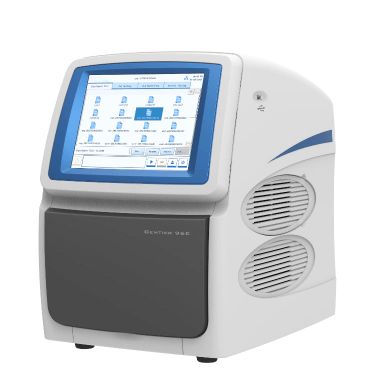
Polymerase Chain Reaction (PCR) is a technique developed in 1983 by Kary Mullis, for which he was awarded the Nobel Prize in Chemistry in 1993. PCR allows for the amplification of specific DNA sequences, making it possible to generate millions of copies of a particular DNA segment from a minuscule initial sample. The process involves repeated cycles of heating and cooling to denature the DNA, anneal primers to the target sequence, and extend the DNA strand, facilitated by a heat-stable DNA polymerase enzyme.

Diverse Applications of PCR in Forensic Science
Since its inception, PCR has revolutionized various aspects of forensic investigations, from crime scene analysis to the identification of disaster victims.
1. Crime Scene Investigation
- DNA Profiling: One of the most critical applications of PCR in forensic science is DNA profiling. By amplifying specific regions of DNA known as short tandem repeats (STRs), forensic scientists can generate a unique genetic profile for individuals. These profiles are crucial in matching biological evidence from crime scenes to potential suspects or victims. The high sensitivity of PCR allows for the analysis of tiny amounts of DNA, such as those found in a single hair or a small drop of blood.
- Degraded Samples: PCR is particularly valuable when dealing with degraded or old samples, which are common in forensic investigations. Traditional methods might struggle with such samples, but PCR can amplify even fragmented DNA, providing viable genetic material for analysis. This capability is essential for examining evidence that has been exposed to environmental factors over time.
2. Identification of Missing Persons and Disaster Victims
- Mass Disasters: In the aftermath of natural disasters, terrorist attacks, or large-scale accidents, identifying victims can be challenging due to the condition of the remains. PCR facilitates the identification process by amplifying DNA from small or degraded biological samples, enabling the generation of genetic profiles that can be compared to those of missing persons or their relatives.
- Cold Cases: PCR technology has breathed new life into cold cases. Historical evidence that could not be analyzed due to technological limitations at the time can now be examined using PCR. This re-examination of old evidence can lead to new breakthroughs, providing closure to long-standing unsolved cases.
3. Exoneration of Wrongfully Convicted Individuals
- Post-Conviction Analysis: PCR plays a crucial role in the re-evaluation of evidence in cases where individuals may have been wrongfully convicted. By reanalyzing DNA evidence with modern PCR techniques, forensic scientists can uncover new information that was previously inaccessible, potentially leading to exonerations and the correction of judicial errors.
4. Wildlife Forensics
- Species Identification: PCR is instrumental in wildlife forensics, particularly in combating illegal wildlife trade. By amplifying DNA from animal samples, forensic scientists can identify the species, which helps in enforcing conservation laws and prosecuting illegal activities. This application is crucial for protecting endangered species and maintaining biodiversity.
- Ecological Studies: Beyond legal enforcement, PCR aids in ecological research by allowing scientists to monitor and study wildlife populations. DNA analysis of samples collected from the environment can provide insights into species distribution, population genetics, and the health of ecosystems.
5. Paternity and Kinship Testing
Family Relationships: PCR is also used in determining familial relationships, which can be crucial in various legal contexts, including inheritance disputes, immigration cases, and child custody battles. By comparing genetic markers, forensic scientists can establish paternity or other kinship connections with high accuracy.
The Detailed PCR Process Applied in Forensic Analysis
1. Sample Collection
The forensic process begins with the collection of biological samples from crime scenes, suspects, or victims. Common sources of DNA include blood, saliva, hair, skin cells, semen, and tissue. Proper collection methods are crucial to prevent contamination and degradation of the samples.
2. DNA Extraction
Once collected, the DNA must be extracted from the biological material. This involves breaking down cell membranes to release the DNA, which is then purified. Various techniques, such as organic extraction, Chelex extraction, or silica-based methods, are used to obtain clean DNA suitable for PCR.
3. Quantification
Before proceeding with PCR, it is essential to quantify the DNA to ensure there is an adequate amount for amplification. Quantification helps determine the concentration of DNA and ensures that the PCR reaction will be efficient and effective. Techniques like quantitative PCR (qPCR) are commonly employed for this purpose.
4. PCR Amplification
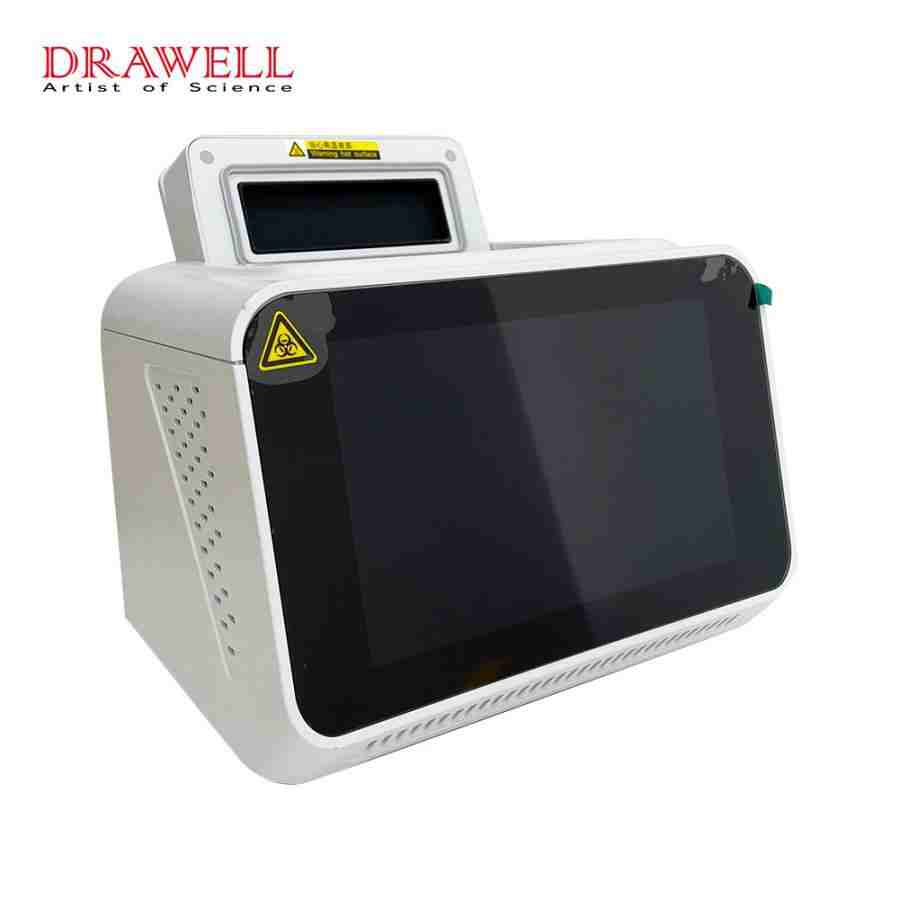
The core of the PCR process involves amplifying the target DNA sequence through a series of thermal cycles. This process can be broken down into three main steps:
- Denaturation: The DNA sample is heated to around 94-98°C to separate the double-stranded DNA into single strands.
- Annealing: The temperature is lowered to 50-65°C to allow short DNA sequences known as primers to bind (anneal) to complementary regions on the single-stranded DNA. These primers are designed to flank the target DNA region.
- Extension: The temperature is raised to around 72°C, the optimal temperature for Taq polymerase, a heat-stable DNA polymerase enzyme. Taq polymerase extends the primers by adding nucleotides to form a new strand of DNA.
These steps are repeated for 20-40 cycles, exponentially amplifying the target DNA region.
5. Electrophoresis and Visualization
After amplification, the PCR products (amplicons) are separated and visualized to confirm the presence and size of the amplified DNA fragments. This is typically done using gel electrophoresis:
- Gel Electrophoresis: The PCR products are loaded into a gel matrix and subjected to an electric field. DNA fragments migrate through the gel based on size, with smaller fragments moving faster. The gel is then stained with a DNA-binding dye, such as ethidium bromide, and visualized under UV light.
6. Analysis and Interpretation
The results from the electrophoresis are analyzed to generate DNA profiles. In forensic contexts, these profiles are often based on the analysis of Short Tandem Repeats (STRs), highly variable regions of the DNA that provide a unique genetic fingerprint for individuals. The STR profiles from the crime scene samples are compared against those of suspects or database entries to identify matches.
7. Quality Control and Validation
Ensuring the accuracy and reliability of PCR results is critical. Quality control measures include:
- Negative Controls: Samples without DNA are included in the PCR run to check for contamination.
- Positive Controls: Samples with known DNA sequences are included to confirm that the PCR reagents and conditions are working correctly.
- Replicates: Multiple replicates of the PCR reaction may be performed to verify consistency and reproducibility.

Challenges and Future Solutions of PCR in Forensic Science
Polymerase Chain Reaction (PCR) has revolutionized forensic science by enabling the analysis of even the smallest traces of DNA. However, its application is not without challenges. From contamination risks to ethical concerns, these obstacles can compromise the reliability and acceptance of PCR results in legal contexts. The table below summarizes the key challenges of PCR in forensic science along with potential future solutions.
| Category | Challenge | Future Solutions |
| 1. Contamination Risks | PCR’s high sensitivity makes it highly susceptible to contamination from the environment, lab personnel, or other samples. Even trace amounts of contaminant DNA can cause false positives or misleading results. | – Enhanced laboratory protocols: use of dedicated equipment and clean rooms – Real-time monitoring systems: development of systems that detect contamination during the PCR process |
| 2. Degraded and Low-Quality Samples | Forensic samples are often degraded due to environmental exposure, resulting in fragmented or chemically modified DNA that is difficult to amplify. | – Improved DNA extraction methods to better preserve integrity from degraded samples – Robust DNA polymerases capable of amplifying degraded DNA |
| 3. Inhibition | PCR inhibitors in forensic samples (e.g., blood, soil) can interfere with amplification, leading to failed or suboptimal results. | – Additives and enhancers that neutralize inhibitors – Engineered DNA polymerases resistant to common PCR inhibitors |
| 4. Complex DNA Mixtures | Forensic samples often contain DNA from multiple individuals, making mixed profiles difficult to interpret. | – Advanced computational algorithms and software to deconvolute mixed DNA profiles – High-resolution techniques such as next-generation sequencing (NGS) for more detailed genetic information |
| 5. Ethical and Legal Concerns | The use of PCR in forensic science raises privacy and ethical issues, particularly concerning storage and use of genetic information. | – Stronger legal and ethical frameworks for DNA data handling and storage – Privacy protection technologies such as encryption and secure data storage systems |
Although PCR remains an invaluable tool for forensic DNA analysis, its current limitations must be overcome to ensure accuracy, reliability, and ethical integrity. Progresses in laboratory protocols, enzyme engineering techniques, computational methods, data privacy protection strategies will determine its future use within forensic science; ultimately addressing these obstacles will cement its role as a vital part of criminal investigations and legal proceedings.
Innovations in PCR for Forensic Analysis
Polymerase Chain Reaction (PCR) remains an indispensable tool in forensic science, with recent innovations that address its traditional limitations by improving accuracy, speed, and ethical integrity in DNA analyses. The table below showcases key innovations in PCR technology as they apply specifically to forensic practice.
| Innovation | Description | Application in Forensic Science |
|---|---|---|
| Next-Generation Sequencing (NGS) | Enables analysis of entire genomes or targeted regions with greater detail and accuracy than traditional PCR. | Provides comprehensive genetic profiles, improving analysis of complex DNA mixtures and degraded samples. |
| Digital PCR (dPCR) | Allows absolute quantification of DNA molecules with higher sensitivity and precision. | Ideal for analyzing low-quantity DNA samples and delivering exact counts of DNA targets. |
| Portable PCR Devices | Compact devices designed for rapid, on-site DNA analysis. | Enables immediate results at crime scenes, supporting faster decision-making in field investigations. |
| Bioinformatics Integration | Advanced computational tools for analyzing and interpreting PCR data. | Enhances DNA profiling accuracy and streamlines comparisons with forensic DNA databases. |
| Improved DNA Polymerases | Newly developed polymerases that are more robust and resistant to inhibitors. | Increases amplification success rates for degraded or inhibitor-rich forensic samples. |
| Ethical Frameworks and Policies | Strengthened ethical guidelines and regulatory frameworks for forensic DNA use. | Protects privacy rights and ensures ethical handling of genetic data within judicial processes. |
Conclusion
PCR has undoubtedly transformed forensic science, providing a powerful tool for the amplification and analysis of DNA. Its applications in crime scene investigation, identification of disaster victims, exoneration of the wrongfully convicted, and wildlife forensics underscore its importance.
Related Products Recommendation


Get Quote Here!
Latest Posts


What Next?
For more information, or to arrange an equipment demonstration, please visit our dedicated Product Homepage or contact one of our Product Managers.


