


Veterinary monitors are very popular and used in the pet hospital or at home. Today, this article will introduce you to what veterinary monitors are, types of veterinary monitors, applications of veterinary monitors, and a method to one situation problem while you use the veterinary patient monitor.
What are Veterinary Monitors?
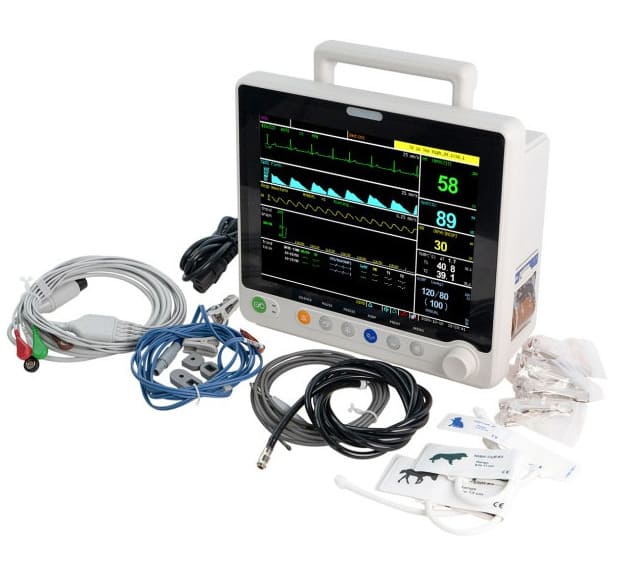
Veterinary monitors detect important parameters such as the pet’s ECG signal, heart rate, blood oxygen saturation, blood pressure, respiratory rate, and body temperature. Before the operation, it can provide detailed body assessment data for the sick animals, and evaluate the pet’s cardiopulmonary function, hemodynamic status, and internal and external temperature. The veterinary patient monitor can also ensure the safety of animals during anesthesia operations.
Applications of Veterinary Monitors in Clinical Practice
Veterinary patient monitors are essential tools for maintaining animal safety and clinical efficiency across different stages of diagnosis, treatment, and recovery. Rather than being limited to the operating room, modern veterinary monitors support a wide range of use cases—from anesthesia and emergency care to teaching and field practice. Drawell provides a complete portfolio of veterinary monitoring solutions designed to meet these diverse clinical demands.
1. Surgical and Anesthesia Monitoring
During surgical procedures, animals are unable to communicate physiological distress, making continuous monitoring indispensable. Veterinary monitors are used to track vital parameters such as heart rate, ECG, oxygen saturation, respiration, blood pressure, and temperature throughout anesthesia.
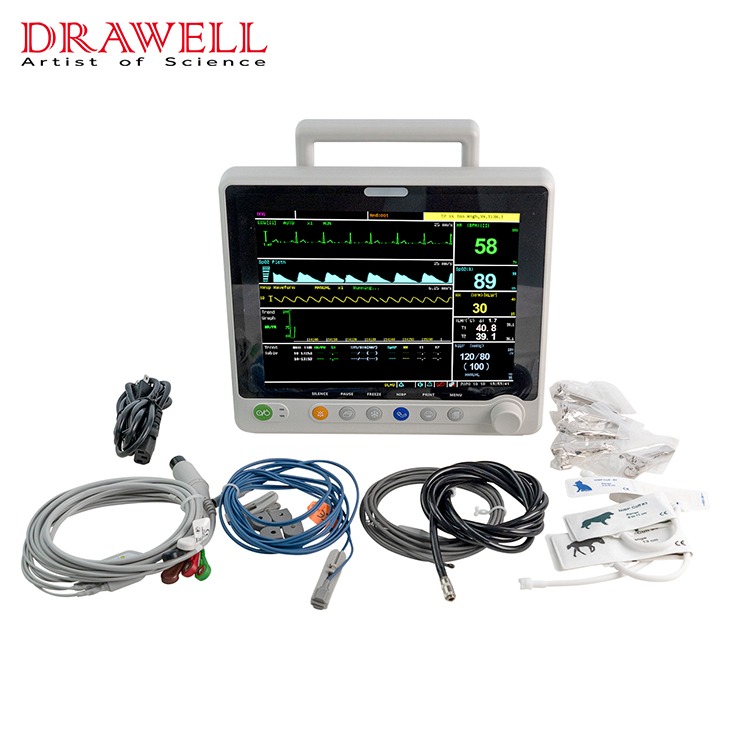
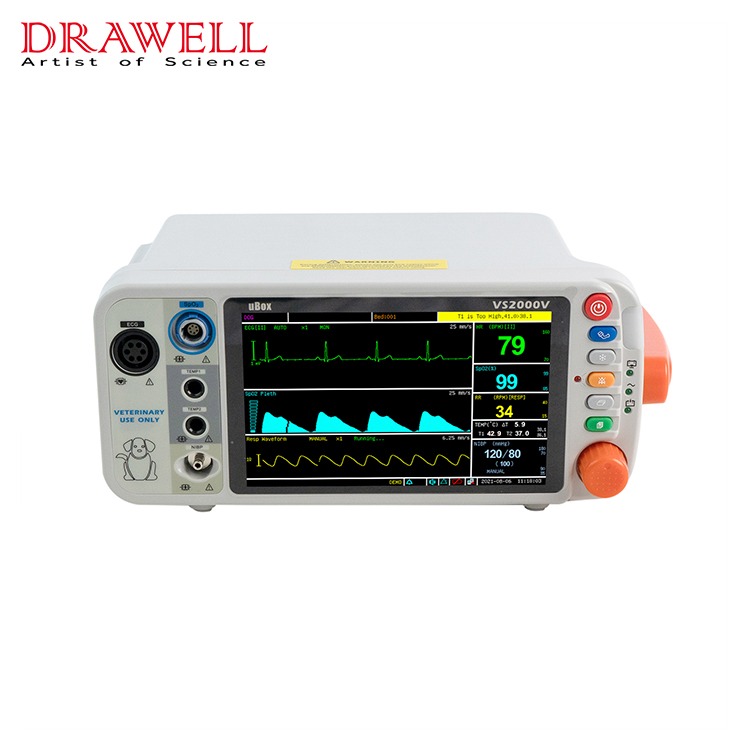
Multi-parameter systems like the Drawell VS2000V Veterinary Vital Signs Monitor are well suited for this scenario. By integrating ECG, SpO₂, NIBP, and other core measurements into a single platform, the VS2000V enables veterinarians to maintain stable anesthesia and respond quickly to abnormal changes during both routine and complex surgeries.
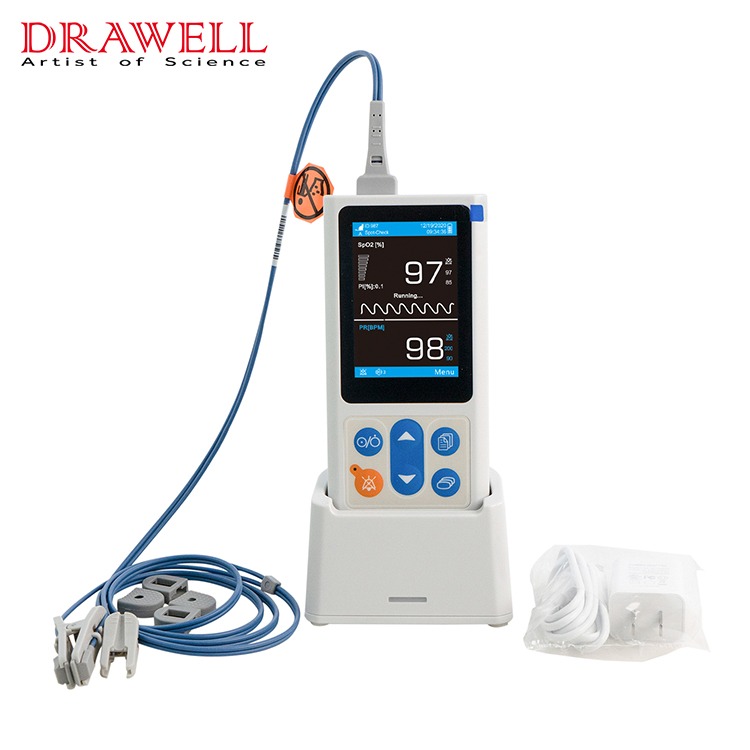
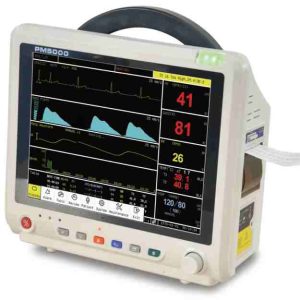
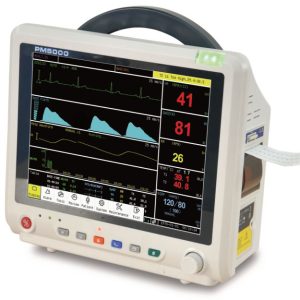
For procedures involving light anesthesia or short-duration sedation, standalone pulse oximeters such as the UPM60V or PM6000V provide reliable monitoring of oxygen saturation and pulse rate, offering a compact and cost-effective solution.
2. Emergency and Intensive Care Monitoring
In emergency rooms and veterinary ICUs, patients often present with unstable or rapidly changing conditions due to trauma, shock, respiratory failure, or systemic infection. Continuous, real-time monitoring is critical to guide treatment decisions and reduce mortality risks.
Veterinary monitors with alarm functions and trend analysis help clinicians detect early signs of deterioration. The VS2000V Veterinary Vital Signs Monitor supports long-term monitoring and clear visualization of vital trends, making it suitable for critical care environments where constant vigilance is required.
3. Postoperative and Anesthesia Recovery Monitoring
The recovery phase following anesthesia is one of the most sensitive periods in veterinary care. Animals may experience delayed respiratory depression, hypoxemia, or cardiovascular instability as anesthetic agents wear off.
Portable devices such as the UPM60V Veterinary Pulse Oximeter and PM6000V Veterinary Pulse Oximeter are commonly used in recovery areas to continuously monitor SpO₂ and pulse rate. Their lightweight design allows animals to recover comfortably while still being closely observed by clinical staff.
4. Routine Clinical Examinations and Diagnostic Support
Beyond surgical and emergency settings, veterinary monitors are increasingly used during routine examinations to obtain objective baseline data. Measurements such as heart rate, oxygen saturation, and blood pressure support early detection of cardiopulmonary issues, especially in geriatric or high-risk animals.
Compact vital signs monitors like the VS2000V provide a practical solution for daily clinical use, allowing veterinarians to integrate monitoring into regular consultations without disrupting workflow.
5. Neonatal and High-Risk Patient Monitoring
Newborn and pediatric animals are particularly vulnerable to hypoxia and temperature instability, and their vital signs can change rapidly. High-sensitivity monitoring is essential for early intervention and improved survival rates.
Drawell’s UPM60V and PM6000V pulse oximeters are well suited for small and fragile patients due to their responsive sensors and ease of application, enabling continuous oxygenation monitoring in neonatal and high-risk cases.
6. Large Animal and Field Practice Monitoring
In large animal medicine and mobile veterinary services, monitoring often takes place outside a traditional operating room. Procedures such as standing surgeries, field anesthesia, or on-site treatment require portable and reliable monitoring solutions.
Battery-powered and transportable veterinary monitors allow clinicians to assess vital signs in challenging environments. Multi-parameter systems like the VS2000V provide essential monitoring capabilities while maintaining mobility and ease of use in field conditions.
7. Veterinary Education and Research Applications
Veterinary monitors are also widely used in teaching hospitals and research institutions. They support hands-on training in anesthesia management and critical care while ensuring compliance with animal welfare standards.
In research settings, consistent and accurate data collection is essential. Drawell’s veterinary monitoring devices enable standardized physiological measurements, making them suitable for both instructional use and experimental studies.
In summary, across surgery, emergency care, recovery, routine diagnostics, and education, veterinary monitors form the foundation of safe and modern animal healthcare. By offering flexible configurations—from portable pulse oximeters to advanced multi-parameter monitors—Drawell provides veterinarians with practical solutions tailored to real-world clinical scenarios.

Problem Solving: What to Do When the Blood Oxygen Saturation Alarm Is Abnormal?
When the blood oxygen saturation alarm of the veterinary patient monitor is abnormal, you can do as follow:
1. First check whether the position of the blood oxygen clip is correct, and whether there are any interference factors such as falling off. (under anesthesia, the tongue of the animal is first measured, and if it is too thin, a layer of medical gauze can be added)
2. Monitor the pet’s circulation and respiration by using veterinary monitors, and confirm the presence of abnormal blood oxygen saturation. (short-term blood oxygen loss or sudden drop due to movement or probe displacement is a reasonable phenomenon, please ensure that the animal’s blood oxygen monitoring returns to normal after reset)
3. Adjust the oxygen flow rate of the ventilator, remove respiratory secretions, and keep the airway unobstructed.
4. If not relieved, notify the attending physician immediately, make preparations for rescue, and correct hypoxemia.
5. Closely observe the changes in the condition of the animals and monitor the improvement of blood oxygen saturation by veterinary monitors.
The application of the veterinary patient monitor is to help animal doctors do their work better. Each veterinary patient monitor has detailed instructions for use. Please read it carefully before using it correctly.
Drawell focuses on the field of monitoring and integrates R&D, production, and sales. Products include veterinary monitors, OEM veterinary monitors, oximeters, etc. The products cover a variety of fields, including medical monitoring, veterinary equipment, and so on. All products are high quality at factory price. Besides, Drawell can provide instant delivery and after-sale service.
Related Products Recommendation
Get Quote Here!
Latest Posts
What Next?
For more information, or to arrange an equipment demonstration, please visit our dedicated Product Homepage or contact one of our Product Managers.


