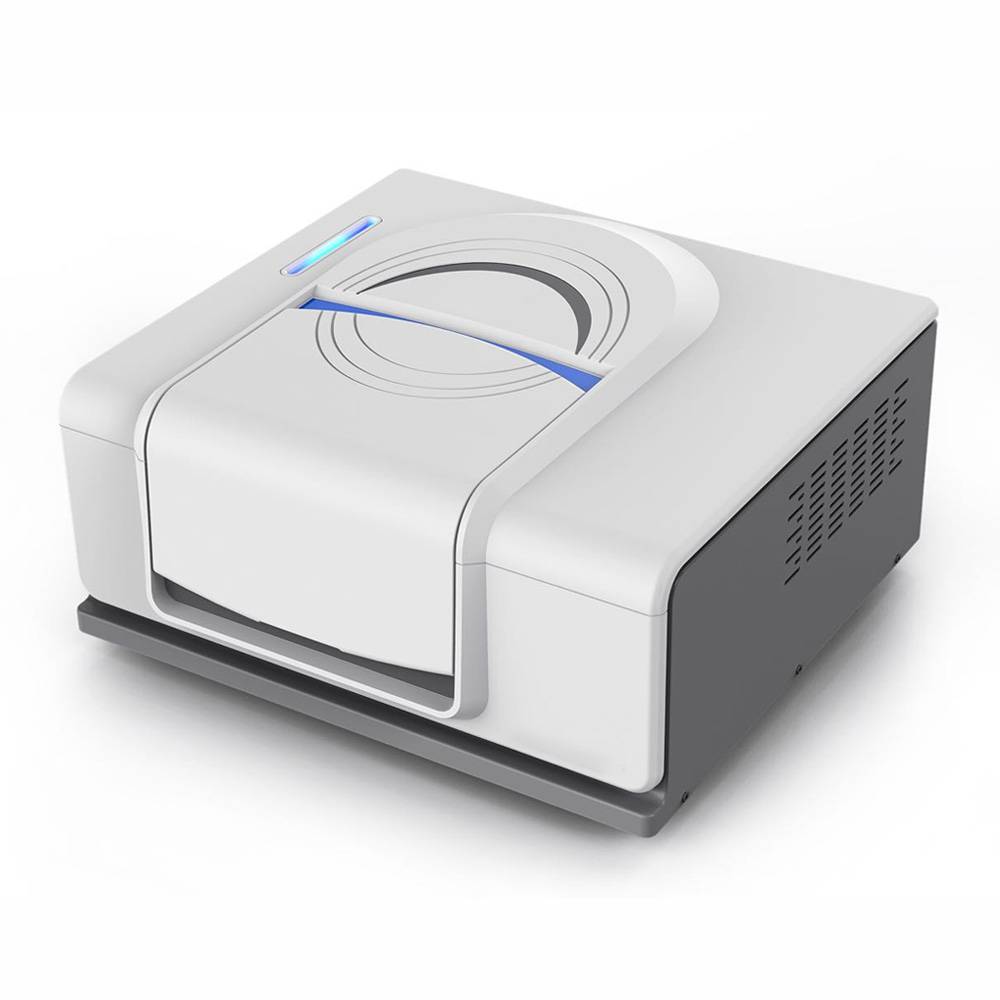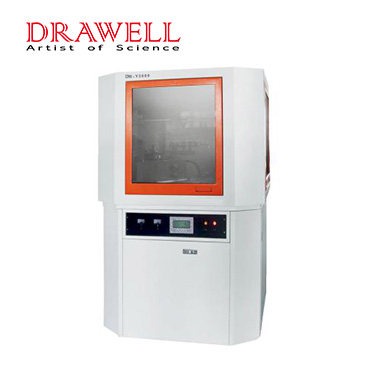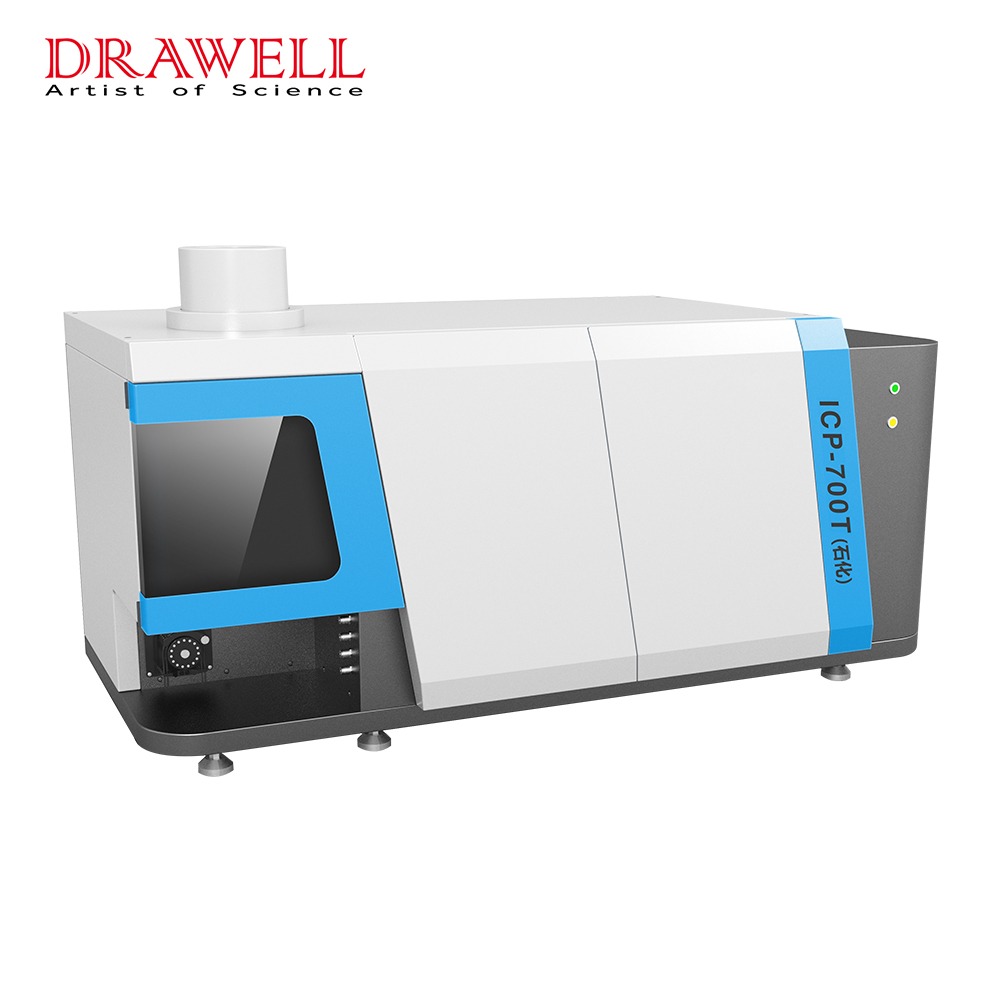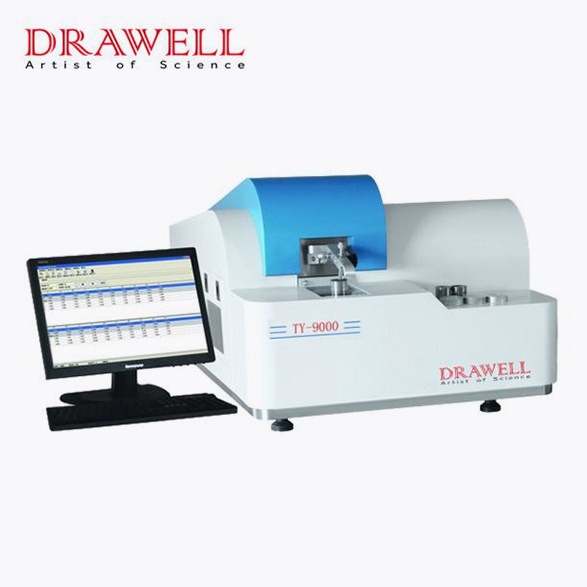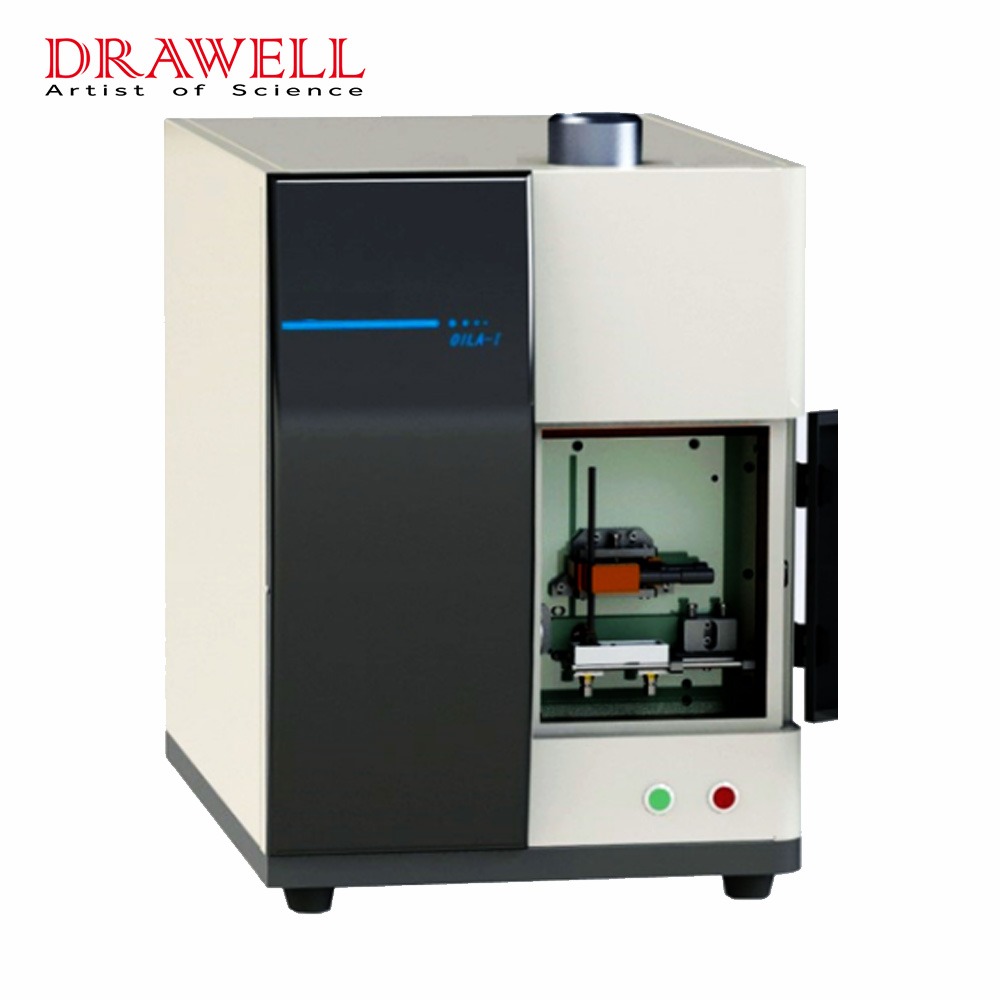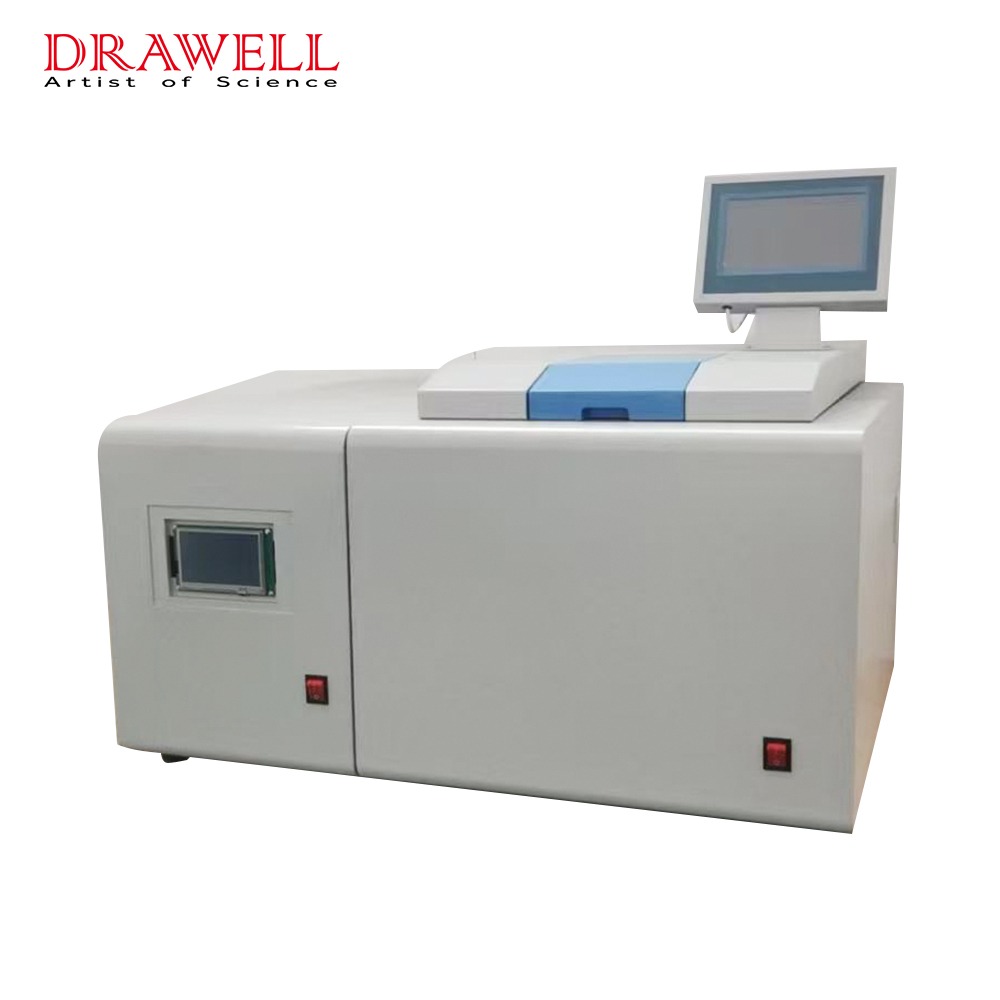


NIR Spectrometer

NIR Spectrometer
What is NIR Spectrometer?
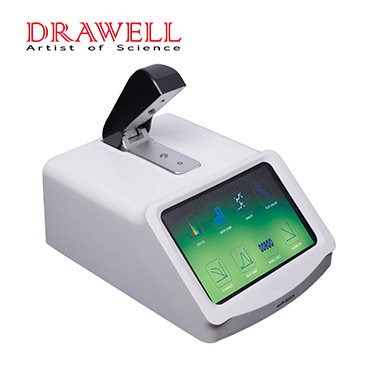
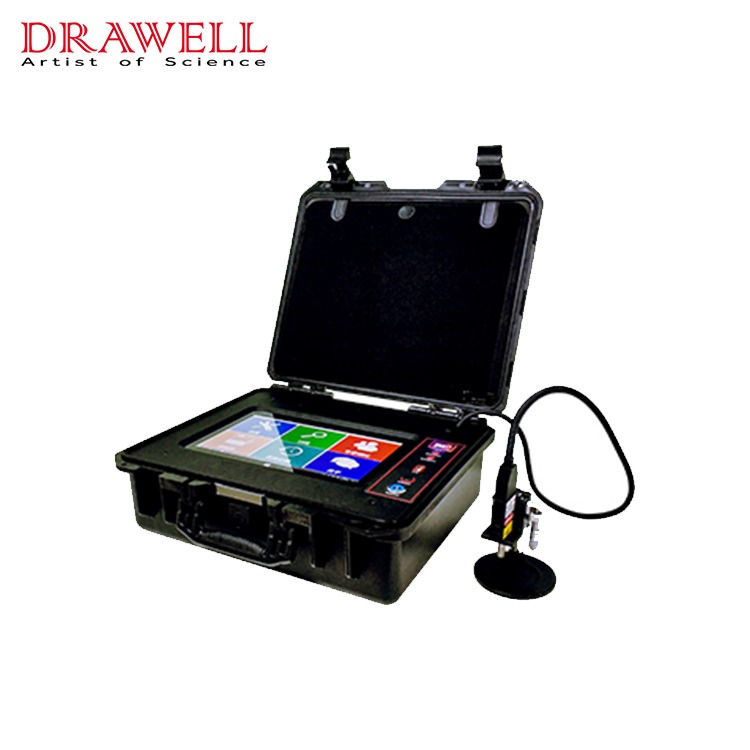
NIR Spectrometer (NIRS) is a spectroscopic method that uses the near-infrared region of the electromagnetic spectrum (from 780 nm to 2500 nm).
Typical applications include medical and physiological diagnostics and research including blood sugar, pulse oximetry, functional neuroimaging, sports medicine, elite sports training, ergonomics, rehabilitation, neonatal research, brain computer interface, urology (bladder contraction), and neurology (neurovascular coupling). There are also applications in other areas as well such as pharmaceutical, food and agrochemical quality control, atmospheric chemistry, combustion research and knowledge.

Features of NIR Spectrometer
- Suitable for a wide range of sample types, such as granules, flakes, powders, pastes, moisture, crude fat, crude protein, crude fiber, crude ash etc.
- Fast analysis, results within 3/10/30 seconds.
- Easy operation: no special training, no sample pretreatment, no sample destruction.
- Software applicable to different management permissions.
- Reliable results – for most analyses, NIR instruments have a prediction accuracy within 1.5 times of the reference method error with much better precision.
- Cost effective – one analyst can typically analyze several hundred samples in a day with no consumable costs.


Applications of NIR Spectrometer
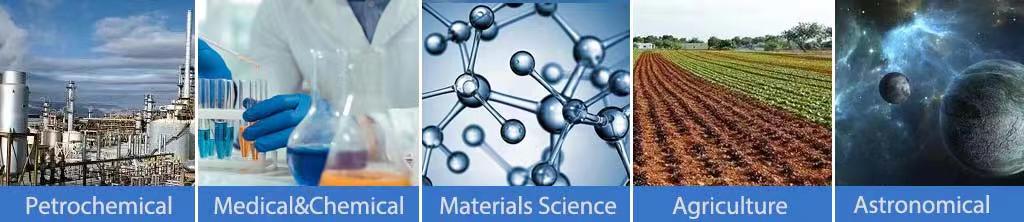
Typical applications of NIR spectroscopy include the analysis of food, pharmaceuticals, petrochemical, combustion products, and a major branch of astronomical spectroscopy.
1. Astronomical Spectroscopy
Near-infrared spectroscopy is used in astronomy for studying the atmospheres of cool stars where molecules can form. The vibrational and rotational signatures of molecules such as titanium oxide, cyanide, and carbon monoxide can be seen in this wavelength range and can give a clue towards the star’s spectral type. It is also used for studying molecules in other astronomical contexts, such as in molecular clouds where new stars are formed. The astronomical phenomenon known as reddening means that near-infrared wavelengths are less affected by dust in the interstellar medium, such that regions inaccessible by optical spectroscopy can be studied in the near-infrared. Since dust and gas are strongly associated, these dusty regions are exactly those where infrared spectroscopy is most useful.
2. Agriculture
Near-infrared spectroscopy is widely applied in agriculture for determining the quality of forages, grains, and grain products, oilseeds, coffee, tea, spices, fruits, vegetables, sugarcane, beverages, fats, and oils, dairy products, eggs, meat, and other agricultural products. It is widely used to quantify the composition of agricultural products because it meets the criteria of being accurate, reliable, rapid, non-destructive, and inexpensive. Abeni and Bergoglio 2001 apply NIRS to chicken breeding as the assay method for characteristics of fat composition.
3. Materials Science
Techniques have been developed for NIR spectroscopy of microscopic sample areas for film thickness measurements, research into the optical characteristics of nanoparticles and optical coatings for the telecommunications industry.
4. Medical Uses
The application of NIRS in medicine centres on its ability to provide information about the oxygen saturation of haemoglobin within the microcirculation. Broadly speaking, it can be used to assess oxygenation and microvascular function in the brain (cerebral NIRS) or in the peripheral tissues (peripheral NIRS).
5. Particle Measurement
NIR is often used in particle sizing in a range of different fields, including studying pharmaceutical and agricultural powders.
6. Industrial Uses
As opposed to NIRS used in optical topography, general NIRS used in chemical assays does not provide imaging by mapping. For example, a clinical carbon dioxide analyzer requires reference techniques and calibration routines to be able to get accurate CO2 content change. In this case, calibration is performed by adjusting the zero control of the sample being tested after purposefully supplying 0% CO2 or another known amount of CO2 in the sample. Normal compressed gas from distributors contains about 95% O2 and 5% CO2, which can also be used to adjust %CO2 meter reading to be exactly 5% at initial calibration.
Why Choose Us for NIR Spectrometer?
“Multiple suppliers” have always been an issue in the procurement process. Drawell as a one-stop laboratory equipment and scientific instruments supplier, can perfectly solve this problem. In addition to manufacturing our own equipment, we also represent other laboratory equipment. Our product lines are rich and diverse at competitive prices. Provide one-stop service to customers.
User Training – Training by Drawell skilled engineers about installation, debug tests, technical services, etc. It can happen in our factory in China, or at the site in the customers’ country. Cost depends on where and when the training happens.
To discuss the problem and get it resolved, online chats, real-time video calls, and remote guidance. For the after-sales stage, our online technical guidance is free and ready forever.
1 year free official warranty, including repairing quality-damaged parts, and offering replacements of selected parts (shipping cost is extra). 5% of the product price is charged for extending the warranty before the end of the official warranty.
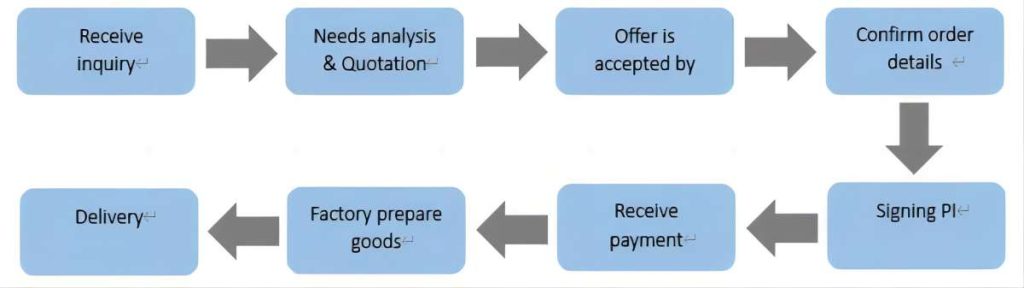
Order Process